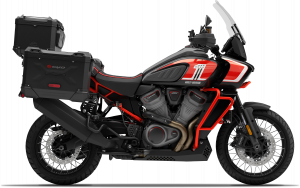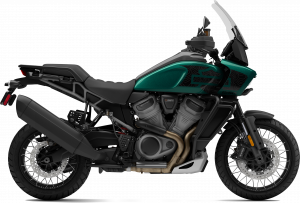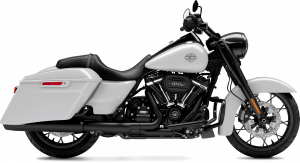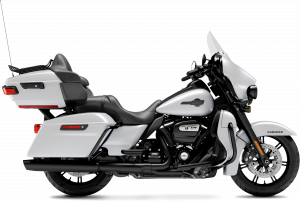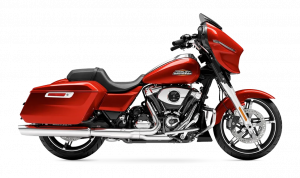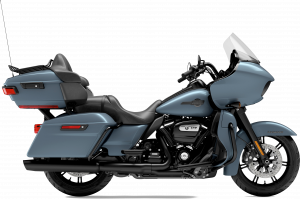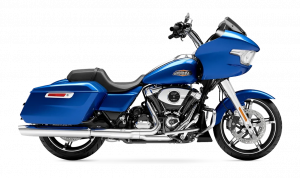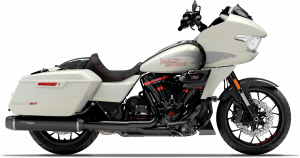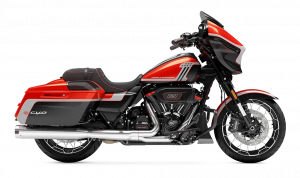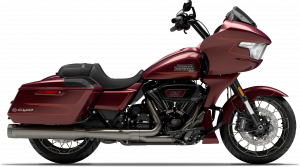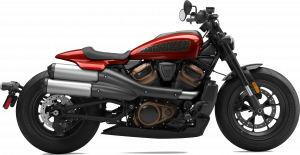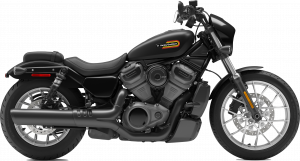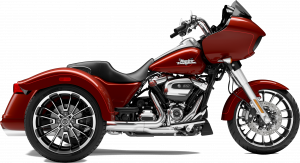

There’s nothing like the freedom of the open road—and no better way to experience it than from the saddle of a Harley-Davidson. But before you take off on a cross-country adventure or a weekend escape from Redding, it’s essential to make sure your motorcycle is ready for the miles ahead. Whether you’re a seasoned rider or planning your very first motorcycle road trip, preparation is key to safety, comfort, and unforgettable memories.
This guide will walk you through every step of getting road-trip ready in 2025—from checking your bike’s condition and choosing the right gear, to packing the essentials, planning your route, and budgeting for the ride. We’ll cover must-know tips for beginners, time-tested advice for veteran riders, and ways to make the most of your Road Glide or Street Glide on California’s highways. You’ll also find recommendations for the best motorcycle road trip planner tools and maps, as well as a streamlined checklist to keep everything in order.
If you’re riding out from Redding, there’s no better place to gear up than Shasta Harley-Davidson. With factory-trained technicians, the largest used inventory on the West Coast, and a service team that treats you like family, we’re here to help you hit the road with confidence.
What Should You Check on Your Bike Before Leaving Redding?
Before any motorcycle road trip, a full check of your bike is a must. Skipping this step can lead to real trouble once you're out on the highway. Whether you're riding a touring-ready Road Glide or another model, your safety depends on your bike being in top shape.
Use the checklist below to guide your inspection before you leave Redding:
Fluids and Filters
- Check engine oil and top it off or change it if needed.
- Inspect coolant and brake fluid levels.
- Change your air filter if it looks dirty.
Tires and Brakes
- Look for wear or cracks in the tread.
- Use a tire gauge to check PSI on both tires.
- Squeeze the brake levers—make sure they feel firm.
- Check for brake pad wear.
Lights and Signals
- Test headlights, brake lights, and turn signals.
- Replace burned-out bulbs.
- Make sure your high beam works.
Drive Chain or Belt
- Check tension and adjust if it’s too loose or tight.
- Clean and lube the chain if your bike uses one.
Battery
- Make sure all connections are tight.
- Look for corrosion at the terminals.
- If your bike starts slow, get the battery tested.
Cables and Controls
- Twist the throttle and pull the clutch—make sure both move smooth.
- Inspect for any frays or signs of wear on cables.
Nuts, Bolts, and Fasteners
- Look over the bike for any loose bolts.
- Pay close attention to handlebars, mirrors, and exhaust mounts.
If you're unsure about any of these, Shasta Harley-Davidson’s service team in Redding can handle it for you. They offer same-day service, so you can get back on the road fast.
Checking your bike may only take an hour, but it could save your entire trip. When you’re riding something built to go the distance—like a Road Glide—it’s worth doing things right.
What Gear Do You Really Need for a Comfortable Ride?
Having the right gear can make or break your ride. When you're out on the road for hours at a time, comfort and safety are everything. For anyone planning a motorcycle road trip for beginners, this is one step you can't skip. The right gear helps you stay focused, dry, and ready for anything. If you're hitting the highway on a Street Glide, your gear matters just as much as your bike.
Start with the basics:
- A DOT-approved helmet protects your head and helps block wind and noise.
- A proper riding jacket shields you from sun, wind, cold, and even road rash.
- Riding pants offer much better protection than jeans.
- Gloves help with grip and protect your hands if you fall.
- Over-the-ankle boots give you better control and protect your feet.
Once your base gear is covered, think about comfort:
- Rain gear is a must, even if the sky looks clear when you leave.
- Layer up with cooling wraps for hot days or heated gear for cold starts.
- A good pair of earplugs will help cut wind noise on long rides.
- A neck gaiter or light scarf adds comfort in both hot and cold weather.
If you’re riding with a passenger, make sure they’re just as prepared. Comfort and safety are for both of you.
Quality gear doesn't have to be expensive, but it does need to work. It should fit well, last through rough weather, and keep you safe when it counts. Stop by Shasta Harley-Davidson in Redding if you're not sure where to start. Our team can help you find gear that’s right for your style, your bike, and your next trip.
How Do You Pack Your Bike for a Long-Distance Trip?
Packing your motorcycle the right way makes a long ride safer, smoother, and less stressful. You don’t need to bring much, but the way you pack matters. If you’re riding a Road Glide, you already have a solid base with built-in bags. Still, it’s smart to plan what goes where before you head out.
A good motorcycle road trip planner helps you stay organized from the start. Don’t wait until the morning of your ride to figure out your gear.
Here are key tips to help you pack with ease:
Use the Right Bags
- Saddle bags work great for heavy items and things you won’t need right away.
- A tank bag gives you fast access to maps, snacks, or sunscreen.
- A tail bag or dry bag is perfect for clothes or gear that needs to stay dry.
Pack Light, Pack Smart
- Choose clothes you can wear more than once.
- Roll, don’t fold—this saves space and reduces wrinkles.
- Use small travel bottles for soap, lotion, or bug spray.
Keep Key Items Easy to Reach
- Rain gear should be on top or in a side pouch.
- Your first-aid kit should be easy to grab.
- Keep snacks and water close, not buried under your clothes.
Don’t Forget These Essentials
- Tire plug kit and small air pump
- Chain lube and a small rag
- Flashlight or headlamp
- Phone charger or power bank
- Zip ties, duct tape, and a multi-tool
Make sure your bags are balanced. Don’t pack more weight on one side than the other. Check that everything is strapped down tight. Nothing should move or flap while you ride.
Before you leave Redding, take a short test ride with your packed bike. If anything feels off, adjust it now—not 100 miles into your ride.
If you're not sure what to pack or how to load your bike, stop by Shasta Harley-Davidson. Our team can help you get your Road Glide loaded and ready for the miles ahead.
How Can You Stay Comfortable on the Open Road?
Long hours on the road can take a toll on your body. That’s why comfort should be part of your ride plan from day one. A relaxed rider is a safe rider.
Even if you ride a bike built for long trips, like a Street Glide, small changes can make a big difference. Make comfort part of your plan—not an afterthought.
Use a Good Seat
A good seat is worth every dollar. Stock seats are fine for short rides, but not always made for long days.
- Choose a seat with added foam or gel.
- Look for seats with back support.
- Make sure it fits your frame and weight.
Adjust Your Riding Position
A slight shift in how you sit can ease strain on your back, neck, and arms.
- Raise or lower your handlebars as needed.
- Use foot pegs or floorboards that match your leg length.
- Keep your back straight and your shoulders low.
Wear the Right Gear
Even light wind and sun can wear you down after a few hours. Good gear helps protect and regulate body heat.
- Wear layers so you can adjust to changes in temp.
- A mesh jacket keeps air moving on hot days.
- Gloves help with grip and reduce hand fatigue.
Plan Your Stops
Riding for hours without breaks is tough on your body and mind. Short stops help you stay alert.
- Try to stop every 75 to 100 miles.
- Use stops to stretch, eat, and hydrate.
- Don’t ride when you’re tired—rest matters.
Use Motorcycle Road Trip Maps
Maps can help you plan scenic routes and avoid harsh traffic. They also help you plan breaks and fuel stops.
- Choose routes with smooth roads and less stop-and-go traffic.
- Avoid harsh weather zones when possible.
- Save key spots—fuel, food, and motels—before you ride.
Small steps add up. Comfort means you’ll last longer in the saddle and enjoy the ride more. Make it part of your trip plan from the start.
What Tools Can Help You Plan the Perfect Motorcycle Road Trip?
Planning a great ride starts long before you twist the throttle. A good plan helps avoid stress, lost time, or risk. Whether you’re riding solo or with friends, smart prep will keep your trip smooth and fun.
Many riders find tools and gear that help with prep and peace of mind. If you're heading out on a Road Glide or any long-range bike, the right tools can shape the trip you want.
Here are some tools and tips that can help:
Rider-Friendly Apps
Digital tools can make your ride safer and more fun.
- Use motorcycle-specific navigation apps like REVER or Calimoto. These help you find winding roads and scenic views.
- Download a reliable weather app so you can avoid storms or strong winds.
- Have a fuel and lodging app ready to help you locate gas stops, motels, and food along your route.
Must-Have Gear
Some items should always be in your saddlebag before a long ride:
- A paper map, just in case your phone dies
- A phone charger or power bank
- A basic tire plug kit for quick flats
- Zip ties for quick fixes on loose gear
- A small first-aid kit for cuts or stings
- A multi-tool for basic roadside repairs
- Plenty of water to stay alert and hydrated
Ride With a Clear Plan
Even if you like to roam, knowing where you’ll stop each night makes a big difference.
- Plan your days to ride during daylight
- Set goals for gas, rest, and meals
- Share your route with a friend or loved one
- Pick safe meeting spots if riding with a group
Motorcycle road trip essentials can make or break your adventure. Your Road Glide gives you the space and comfort to bring what you need. A few smart tools and a bit of prep turn any ride into a trip worth taking.
What Final Preparations Should You Make Before Rolling Out?
Your motorcycle road trip starts the moment you leave the driveway. The final steps you take before that ride are just as key as the route ahead. A few checks now can save you a lot of stress later.
Here are some easy-to-follow steps to lock in before you roll out:
Do a Walk-Around Check
- Look at your tires. Are they worn? Do they have enough air?
- Check your lights—headlights, brake lights, and turn signs.
- Test the horn. If it’s weak or silent, it might need a new fuse.
- Look for loose bolts or fasteners on your gear or frame.
Check Your Gear One More Time
- Is your helmet in good shape and legal for road use?
- Do your gloves and jacket still fit well?
- Are your saddlebags packed tight and balanced?
- Can you reach your tools, map, and rain gear fast?
Give Your Road Glide or Any Bike a Quick Tune-Up
- Check the oil level and top it off if low.
- Look at your chain or belt for signs of wear or rust.
- Test the brakes. They should feel strong and smooth.
- Charge your battery or bring a backup pack if it’s weak.
Prep Your Mind for the Ride
- Rest well the night before.
- Eat light and drink lots of water.
- Let a friend or loved one know your plan.
- Bring some cash for spots that don’t take cards.
Taking just 15 minutes for these steps can make your ride more smooth and safe. A motorcycle road trip is meant to be fun—not full of stops and stress. If you’re riding a Road Glide, these last steps will help you enjoy the full comfort and power of your machine, mile after mile.
If you have any questions before you ride out, contact Shasta Harley-Davidson. We're happy to help make sure your trip starts right.
Essential Motorcycle Road Trip Questions, Answered
Before you start your next long ride, it’s smart to go over a few key details. The answers below will help you ride safe, stay ready, and get more out of every mile.
| Questions | Answers |
| What maintenance should I perform before a long motorcycle trip? | Inspect the brakes, lights, chain or belt, battery, fluid levels, and check for leaks. Make sure your bike is up to date on scheduled maintenance. |
| How do I check if my tires are road-trip ready? | Examine the tread depth, look for uneven wear or damage, and check tire pressure with a gauge before every ride. |
| Should I change my oil before a motorcycle road trip? | Yes, if you’re close to your next oil change interval or planning a long-distance ride, it's smart to start with fresh oil and a clean filter. |
| What tools and spare parts should I carry with me? | Bring a basic tool kit, tire repair kit, spare fuses, zip ties, flashlight, and a small first-aid kit. Include anything specific to your bike. |
| How can I improve comfort for long-distance motorcycle riding? | Use a padded seat or gel cover, wear proper riding gear, take frequent breaks, adjust handlebars or foot pegs if needed, and stay hydrated. |
Ready to Ride? Let Shasta Harley-Davidson Help You Gear Up
Planning a road trip on your motorcycle should feel fun—not stressful. Whether you're heading across the state or just out for the weekend, having the right gear, the right bike, and the right plan makes all the difference. If you're in Redding, we invite you to check out our wide selection of touring-ready motorcycles, including the Road Glide and Street Glide—built for comfort and power on the open road.
Want help picking the right setup for your trip? Our team is here to guide you with advice, tips, and the latest gear. We’ll help make sure your bike is ready, your trip is smooth, and your ride is one to remember.
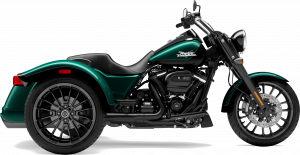
Still thinking through your plans? Check out our guide to road trips that start near Shasta, CA for easy ideas to build your route. Or, if you're not sure what to bring, read our tips on how to get your Harley-Davidson ready for a long ride. And if you're looking for a stable three-wheel option, take a look at the benefits of riding a Harley-Davidson Trike.
For more help or to schedule service before your next trip, contact the team at Shasta Harley-Davidson today. We’re ready when you are.
Disclaimer: All information is provided for general informational and entertainment purposes only. While we strive for accuracy, we cannot guarantee that all content is complete, current, or error-free. Any reliance you place on such information is strictly at your own risk. This article may include opinions and is not endorsed by, or officially affiliated with, any vehicle manufacturer or brand. Always consult official sources – such as the vehicle’s owner’s manual, authorized dealerships, or certified professionals – for the most up-to-date and personalized information.