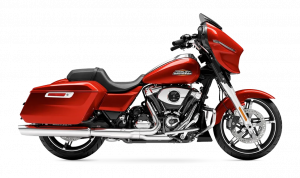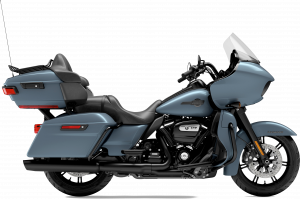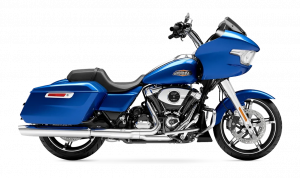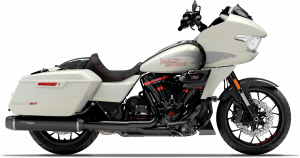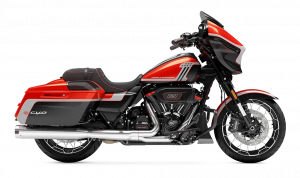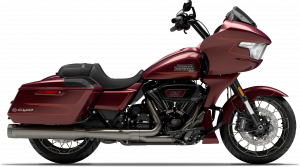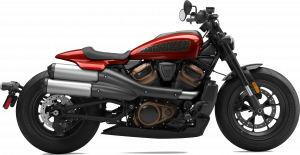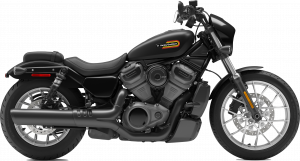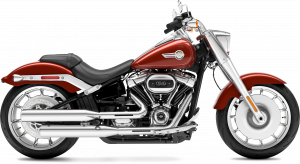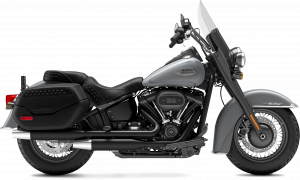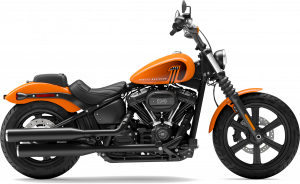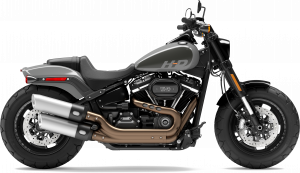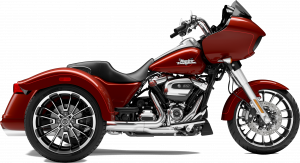
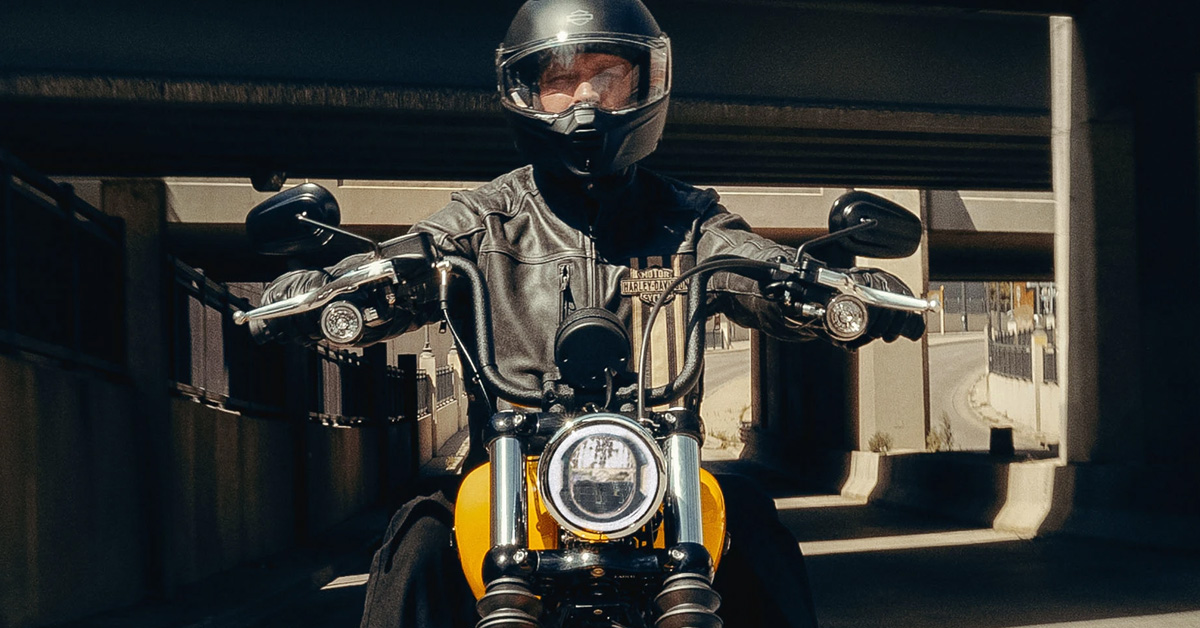
Group motorcycle rides are about more than open roads and shared adventures—they’re about teamwork, safety, and clear communication. Knowing proper group riding etiquette and understanding biker hand signals can make every mile smoother and safer for everyone in the pack. This guide breaks down the essentials for 2026 riders, from formation rules to the hand signals every Harley owner should know before joining a group ride. At Shasta Harley-Davidson, serving Redding, Buckeye, Shasta, and Keswick, we’re proud to help riders get the most from every journey.
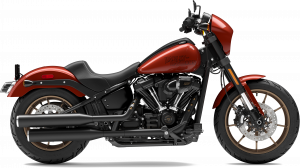
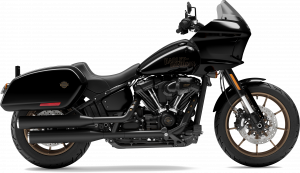
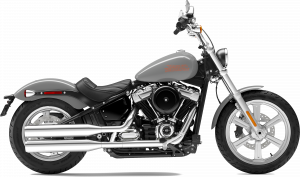
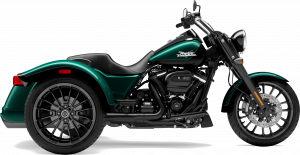
Whether you’re gearing up your Road King, Street Glide, or Low Rider, our team is here with expert service, quality parts, and a wide selection of new and pre-owned Harley-Davidson motorcycles. Contact us today or stop by to see why the true Harley experience starts right here—where legends ride and community comes first.
Essential Group Ride Hand Signals Every Rider Should Know
Clear hand signals keep every group ride safe and in sync. When the wind and engine noise make it hard to hear, your hands become the voice of the ride. Riders should know and use these signals before heading out together.
Here are the most important hand signals to remember:
- Extend your left arm straight out to show a left turn. Riders behind you will repeat the signal down the line.
- Bend your left arm up at a right angle to signal a right turn. Make sure your motion is sharp and clear.
- Bend your left arm down at a right angle to signal that the group should slow down or stop.
- Raise your left arm high with your index finger pointing up to call for a single-file formation.
- Extend your left arm with two fingers raised to indicate a staggered motorcycle riding formation.
- Point to your fuel tank to warn of low fuel. This helps the group plan for the next stop.
- Tap the top of your helmet to alert others of hazards ahead, such as debris, potholes, or stopped traffic.
Each signal should be held long enough for riders behind you to notice and repeat it. Always glance in your mirrors before making a move to ensure space and safety. Whether you’re riding a touring model or a cruiser like the Low Rider, these simple hand signals build trust and rhythm within the group. They help every rider move as one—smooth, steady, and safe.
Why Proper Group Riding Etiquette Matters for Every Harley-Davidson Rider
Group rides bring Harley-Davidson owners together for shared experiences, lasting friendships, and unforgettable miles on the open road. Yet even the most scenic route can turn risky when riders don’t follow proper group riding etiquette. Good habits keep everyone safe and in sync—especially when the pack includes powerful machines like the Road King. Group motorcycle etiquette is about more than rules. It’s about respect, awareness, and trust. Every rider depends on the person ahead to react safely and signal clearly. When one rider makes a sudden move, the whole line can feel it. That’s why steady pace, safe distance, and clear communication matter.
Here’s what good riding etiquette helps prevent:
- Collisions caused by sudden braking or lane changes
- Confusion from unclear or missed hand signals
- Fatigue from constant speed changes or poor spacing
- Frustration that can lead to unsafe decisions
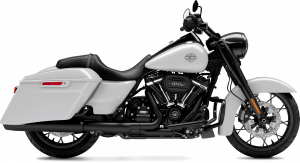
Riding in a group is a balance between freedom and discipline. The lead rider sets the tone, but each member plays a vital role. When every Road King, Street Glide, and Low Rider in the group follows the same rhythm, the ride flows smoothly and safely. Whether you’re heading down a mountain pass or rolling through town, strong group riding etiquette turns a group of bikes into one powerful, connected team.
What Riders Should Do Before Starting a Group Ride
Preparation is the key to a smooth and safe group ride. Before the engines start, every rider should take time to review the route, check their bike, and make sure they understand the group’s riding plan. When everyone is ready, the entire ride feels more organized and enjoyable. A model like the Street Glide is built for long-distance comfort and power, but it performs best when properly prepared. Pre-ride checks keep your motorcycle running strong and help avoid delays once you hit the road.
Here are key steps to take before starting your group ride:
- Arrive early: Give yourself time to fuel up, adjust gear, and get briefed on the plan.
- Inspect your bike: Check tire pressure, lights, and fluids before joining the group.
- Agree on the route: Make sure everyone knows where you’re going and when to stop.
- Assign lead and sweep riders: The lead sets the pace, while the sweep ensures no one is left behind.
- Set the pace: Choose a speed that fits the slowest rider in the group.
- Review hand signals: Use a trusted motorcycle hand signals guide to ensure everyone understands the same gestures.
A quick talk before the ride can prevent confusion later. Riders should know who is leading, how to handle turns, and what to do if the group gets split. A few minutes of planning builds confidence and trust. When everyone starts the ride with the same understanding, each Street Glide, Road King, and Low Rider in the group can move as one—safe, steady, and ready for the journey ahead.
How to Maintain Safe Motorcycle Riding Formation
A safe formation keeps every rider protected and in sync, especially during long highway stretches or winding backroads. Riders should aim for smooth spacing, steady movement, and clear signals. Using group ride hand signals helps everyone stay connected, even when noise or distance makes communication harder.
Key habits for a secure formation include:
- Keep a staggered pattern—the lead rider to the left, the next to the right, and so on.
- Maintain a two-second gap from the rider directly ahead.
- Avoid side-by-side riding, as it limits your ability to swerve safely.
- Match your speed and rhythm with the group leader.
- Use hand signals for turns, hazards, or speed changes to keep everyone informed.
Whether you’re leading on a Street Glide or following mid-pack, maintaining consistent spacing and attention ensures a safe, steady ride.
How to Handle Stops, Intersections, and Merging During a Ride
Group rides can move smoothly only when every rider understands how to act at stops and intersections. Clear signals, steady pacing, and awareness of those around you make all the difference.
When the group approaches a stop or traffic light:
- Use proper hand signals early. The lead rider should raise a hand or arm to show the stop ahead.
- Keep formation tight but safe. Riders in a staggered formation should roll to a gentle stop without crowding.
- Stay in line. Avoid pulling beside another rider unless you’ve agreed to ride side-by-side.
At intersections, patience and order prevent confusion:
- The lead rider checks for oncoming traffic before moving.
- Each bike follows in the same order, using the same path through the turn.
- Never split the group across the intersection; wait until everyone clears safely.
Merging back into traffic after a stop can be tricky. Follow these tips to stay together:
- Signal early with the proper group ride hand signal.
- The lead rider enters first, setting a smooth pace for the rest.
- Riders merge one by one, maintaining the staggered pattern once on the road.
- The sweep rider (last in line) confirms when everyone is safely back in formation.
Strong communication keeps the group connected. The Low Rider or any cruiser can maintain control more easily when spacing and timing are consistent. By using signals, staying aware, and keeping formation, each rider helps make the road safer for everyone.
What to Avoid During a Group Ride
Even experienced riders can make mistakes in a group ride. A small error can ripple through the pack and create danger for others. Good motorcycle group riding etiquette means knowing not only what to do but also what to avoid.
Here are key habits to stay clear of:
- Do not crowd other riders. Always leave a safe gap for braking and lane changes.
- Avoid sudden moves. Quick turns or lane shifts confuse riders behind you.
- Do not speed ahead of the leader. The lead sets the pace for safety and spacing.
- Avoid staring at the rider in front. Keep your eyes scanning the road and mirrors.
- Do not block traffic or intersections. Each rider must follow traffic laws at all times.
- Avoid ignoring hand signals. They guide the group and prevent split-second confusion.
- Do not use your phone while riding. Stay focused on the road and riders around you.
- Avoid showing off with stunts or revving. It distracts others and can cause panic in close formation.
Even a powerful touring bike like the Road King rides best when every rider shows restraint and awareness. Respect for the group keeps every mile smooth, steady, and safe.
When and How to Adjust Your Ride Mid-Route
Even the most well-planned group ride needs small changes along the way. Weather, traffic, or road work can call for quick but safe adjustments. Every rider, whether leading or following, should know how to respond without breaking formation.
Here’s how to stay in sync during mid-route changes:
- Use clear hand signals. Follow the motorcycle hand signals guide to alert others of turns, stops, or road hazards.
- Slow down smoothly. Ease off the throttle instead of braking hard to keep spacing even.
- Watch the lead rider. The leader decides when to adjust pace or route. Stay alert to their cues.
- Signal before lane changes. Make sure every rider has time to react and move safely.
- Avoid panic moves. A calm shift keeps the group steady and reduces risk.
- Stay aware of spacing. Adjust gaps if the group stretches or compresses too much.
- Communicate at rest stops. Discuss any needed route or formation changes face-to-face.
A Street Glide handles these transitions with ease, but the real key is unity. When everyone follows the same signals and pace, the ride stays smooth no matter what the road brings.
Smart Safety Habits for Every 2026 Harley Group Ride
Group rides are all about fun, freedom, and unity—but safety must always come first. Every rider plays a part in keeping the group secure from start to finish. Building smart habits helps prevent problems before they start and ensures everyone enjoys the open road together.
Keep these safety habits in mind for every group ride:
- Inspect your bike first. Check tires, brakes, lights, and mirrors before you roll out.
- Ride within your limits. Never push faster than your comfort zone or skill level.
- Keep steady spacing. A two-second gap gives time to react to sudden stops or turns.
- Stay visible. Wear bright gear or reflective accents so others can see you easily.
- Use signals early. Give clear hand or turn signals before slowing or changing lanes.
- Fuel and hydrate often. Short breaks prevent fatigue and help you stay sharp.
- Stay alert at all times. Scan the road ahead and be ready for sudden changes.
- Listen to the lead. The lead rider sets pace and direction—trust their calls.
A Road King or Low Rider offers power and balance for group rides, but safe habits make the real difference. With good awareness and teamwork, every trip can be smooth, confident, and unforgettable.
What is the proper formation for group motorcycle riding?
- The staggered formation is safest for most group rides.
What spacing should riders maintain in a group?
- Keep at least a two-second gap from the rider ahead.
When should riders switch from staggered to single-file formation?
- Use single-file on curves, narrow roads, or in poor visibility.
Why is group riding etiquette important?
- It prevents confusion and reduces the risk of collisions.
What are the rules for passing in a group ride?
- Pass one at a time, starting with the lead rider.
Who decides when the group should pass?
- The lead rider signals when it’s clear and safe.
Why are hand signals important for group riding?
- They keep everyone informed without using radios.
When should hand signals be communicated to the group?
- Give signals early so all riders have time to react.
What are common motorcycle hand signals riders should know?
- Left turn, right turn, stop, slow down, single-file, and road hazard.
What's the motorcycle wave signal?
- It’s a friendly “V” wave to acknowledge fellow riders.
How do you signal police ahead while riding a motorcycle?
- Tap the top of your helmet with your left hand.
Learning these basics helps every rider move safely and confidently together, whether cruising through Redding or the winding roads near Shasta.
Ride Confidently on the Road with Shasta Harley-Davidson
Whether you’re leading the pack or following close behind, riding in a group is about trust, awareness, and respect on the open road. At Shasta Harley-Davidson, we’re proud to help riders from Redding, Buckeye, Shasta, and Keswick master every part of the ride. Visit us to see our wide selection of Harley-Davidson motorcycles, including the Road King, Street Glide, and Low Rider. Each one is built for comfort, power, and the kind of freedom only Harley delivers.
If you’re ready to improve your riding skills or plan your next trip, we also offer tips on motorcycle road trips, riding in weather, and group ride prep to keep every journey safe and fun.
Contact our team today or stop by the dealership to find your next ride—and keep your Harley adventure rolling strong all year long.
Get Directions to Shasta Harley Davidson
Disclaimer: All information is provided for general informational and entertainment purposes only. While we strive for accuracy, we cannot guarantee that all content is complete, current, or error-free. Any reliance you place on such information is strictly at your own risk. This article may include opinions and is not endorsed by, or officially affiliated with, any vehicle manufacturer or brand. Always consult official sources – such as the vehicle’s owner’s manual, authorized dealerships, or certified professionals – for the most up-to-date and personalized information.