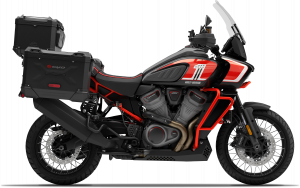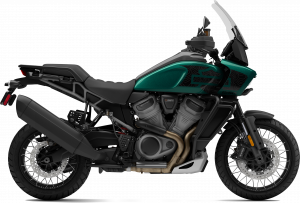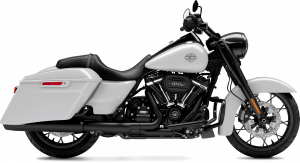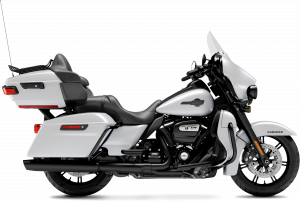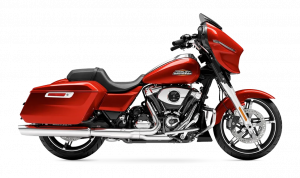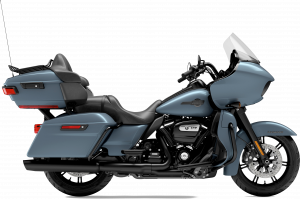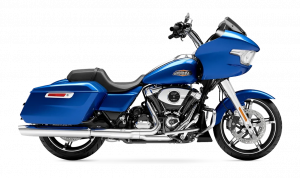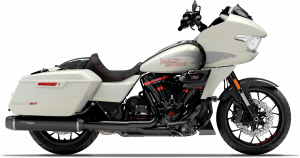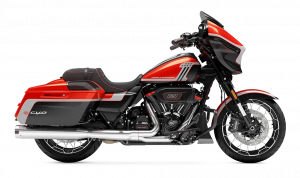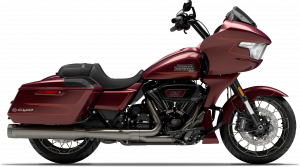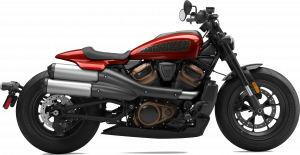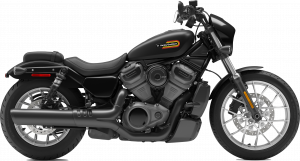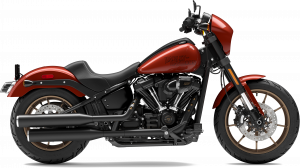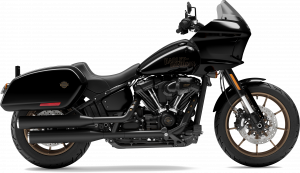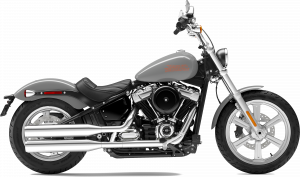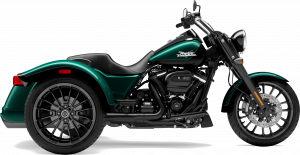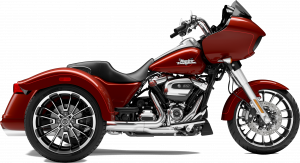
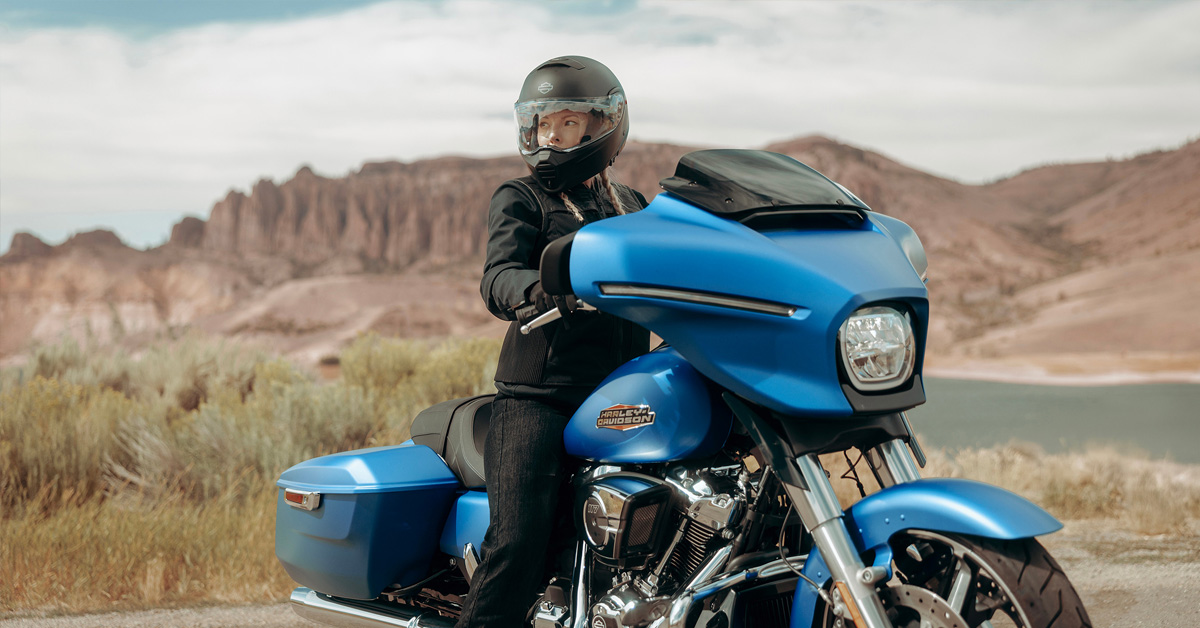
A 2026 Harley-Davidson test ride gives you the chance to experience real-world performance, comfort, and handling before making a decision. Expect guided rides, hands-on time with models like the Street Glide and Road Glide 3, and a structured process that includes proper gear, a valid license, and a quick safety briefing. Preparing ahead, from what you wear to how you schedule, helps you focus on what matters most: finding the right motorcycle for your riding style.
At Shasta Harley-Davidson, we are committed to making every step of your journey smooth, exciting, and tailored to you. From helping you schedule your first ride to supporting you with expert service, genuine parts, and a wide selection of motorcycles, our team is here to help you ride with confidence. Contact us today or visit our dealership to get started and experience the difference firsthand.
Preparing for Your First Harley-Davidson Test Ride
Getting ready for your first ride starts with knowing what matters before you even swing a leg over the seat. When people search for Harley Davidson test ride what to expect, they are usually thinking about the ride itself. The truth is, a great experience begins well before the engine starts. A little preparation helps you stay focused, confident, and ready to enjoy every mile.
Start With the Right Mindset
A test ride is not about speed or showing off. It is about finding the right fit. Picture yourself riding through your daily routes, weekend escapes, or longer highway stretches. Whether you are trying a Street Glide for its touring comfort or comparing different models, the goal is to understand how the bike feels in real-world conditions.
Ask yourself simple questions as you prepare:
- Does this bike match how I plan to ride most of the time
- Am I looking for comfort, performance, or a balance of both
- How confident do I feel handling a larger touring motorcycle
Bring What You Need to Ride
Showing up prepared saves time and helps you avoid delays. Most dealerships follow similar requirements, so it is best to have everything ready before you arrive.
Here is a quick checklist to keep in mind:
- A valid motorcycle license, not a permit
- A DOT-approved helmet
- Protective gear like a jacket, gloves, long pants, and over-the-ankle boots
- Any confirmation if you scheduled your ride in advance
Being fully prepared also shows the team you are serious, which helps move the process along faster so you can spend more time riding.
Plan Ahead for a Smoother Experience
Timing can make a big difference. Demo rides and test ride events can fill up quickly, especially when new models arrive. Booking ahead or arriving early gives you a better chance to ride the bike you want, including popular touring options like the Street Glide.
A few simple steps can make your visit smoother:
- Check availability and reserve a time if possible
- Arrive early to complete paperwork and attend the safety briefing
- Dress for the weather so you stay comfortable throughout the ride
Set Yourself Up for a Confident Ride
If it has been a while since your last ride, take a few minutes to refresh your basics. Even experienced riders benefit from a quick mental reset. Think about clutch control, braking, and low-speed handling, especially if you are trying a heavier touring bike for the first time. Confidence comes from preparation, not guesswork.
When you know what to expect and how to prepare, the ride becomes more enjoyable and far more useful. If you are ready to take that next step, the team at Shasta Harley-Davidson is here to help you get started. Schedule your test ride, ask questions, and take your time finding the motorcycle that feels right the moment you hit the road.
What Happens During a Harley-Davidson Test Ride Event in 2026?
A 2026 test ride event is more than just a quick spin around the block. It is a structured, guided experience designed to help riders understand how different motorcycles feel in real conditions. If you have been researching how to prepare for a motorcycle test ride, this is where that preparation comes to life in a real, hands-on way.
From the moment you arrive, everything is organized to keep the process smooth and focused on riding. Expect a mix of paperwork, safety briefings, and guided coordination before you even start the engine.
Arrival and Check-In Process
The experience typically begins with an early check-in. This helps the team verify your documents and make sure everything is ready before the ride lineup begins. Here is what usually happens first:
- License verification and waiver completion
- A short safety briefing covering route and riding expectations
- Gear check to confirm proper riding equipment
- Bike assignment based on availability and rider comfort level
This stage may feel formal, but it sets the tone for a safe and enjoyable ride.
Guided Rides and Demo Routes
Once everything is ready, riders are grouped and led out on pre-planned routes. These are designed to give you a realistic feel for acceleration, braking, and handling in a variety of road conditions.
You might notice:
- Group-led rides with experienced staff guiding the pace
- Routes that include city streets and open stretches for balance
- Opportunities to switch focus between comfort and performance
- A chance to compare different motorcycles back-to-back, if available
Some riders may get the chance to experience larger touring models or three-wheel options like the Road Glide 3, which offers a very different feel in terms of stability and road presence compared to traditional motorcycles.
The Role of Demo Events and Special Experiences
These events often include more than just riding. Many 2026 demo days are designed to feel like a full motorcycle showcase, with staff, displays, and support teams on-site.
Depending on the event, you may also see:
- Factory representatives and knowledgeable product specialists
- Multiple 2026 models available for comparison
- Short wait times between rides for those trying more than one bike
- Limited-time participation rewards, such as commemorative items, are available while supplies last
It is a setting where learning and riding go hand in hand, especially for those still deciding between different styles and configurations.
What You Should Focus On While Riding
With so much happening around you, it helps to stay focused on the ride itself. This is your chance to evaluate how the motorcycle actually feels in motion, not just how it looks in a showroom.
Pay attention to:
- How the bike responds at low and higher speeds
- Comfort during turns and stops
- Seating position and overall ergonomics
- Stability and confidence, especially on larger models
If you are trying something like a Road Glide 3, notice how different the balance and handling feel compared to a standard two-wheel setup. That contrast is often what helps riders make a final decision.
Make the Most of the Experience
A test ride event moves quickly, so having a clear idea of what you want to compare can help you get more value from your time. If you are still refining your choice, let the staff know so they can guide you toward the best match.
Simple ways to get more out of your visit:
- Try more than one model if time allows
- Ask questions about performance and long-distance comfort
- Take a moment after each ride to reflect before switching bikes
Documents and Requirements You Need Before Riding
Before the engine starts and the ride begins, there are a few important requirements that help keep everything safe, smooth, and properly organized. Many riders searching for Harley test ride tips 2026 are surprised by how simple the process is, but also how important it is to arrive fully prepared. Having the right documents and gear ready ensures you spend less time waiting and more time riding. Whether you are trying a new touring model like the Street Glide or just getting familiar with the experience, these requirements stay consistent across most events and dealerships.
Essential Documents to Bring
The first step is making sure your paperwork is in order. Without it, you may not be able to participate in a test ride, even if everything else is ready.
Be sure to bring:
- A valid motorcycle driver’s license (permits are typically not accepted)
- A government-issued photo ID is required for verification
- Signed waivers or registration confirmation if you booked ahead
In many cases, riders arrive excited for their first experience only to realize they are missing a license or proper documentation. A quick double-check before leaving home can prevent unnecessary delays.
Required Riding Gear for Safety
Safety gear is not optional. It is part of the standard requirements to ensure every rider is protected and comfortable during the experience.
Most test ride events require:
- DOT-approved helmet
- Protective jacket made of leather or abrasion-resistant material
- Gloves for grip and control
- Long pants, preferably denim or reinforced riding pants
- Closed-toe boots that cover the ankle
Even short rides can feel very different once you are on the road, especially on a full-size touring motorcycle. Proper gear helps you stay focused on the bike instead of distractions.
What the Check-In Process Looks Like
Once you arrive, the check-in process is straightforward but structured. It is designed to confirm that every rider meets the requirements before heading out.
Here is what typically happens:
- Verification of license and identification
- Completion of waiver forms and safety acknowledgment
- Gear inspection by staff for compliance
- Brief overview of the ride route and safety expectations
This step is also a good time to ask questions or mention if it is your first experience riding a larger touring bike. The staff can help guide you toward a more comfortable setup.
Set Yourself Up for a Smooth Experience
A few simple habits can make your test ride experience much easier:
- Confirm your license is valid and with you before leaving
- Lay out your gear the night before
- Arrive early to avoid rushing through check-in
- Ask staff about anything you are unsure of
Preparation does not take long, but it makes a noticeable difference once you are on the bike.
How Should You Prepare Before Arriving at the Dealership?
Getting ready before you arrive can make your first Harley Davidson test ride feel smoother, more enjoyable, and far less rushed. A little preparation goes a long way, especially if it is your first time stepping into a guided riding experience or trying larger touring models that handle differently than everyday bikes. Think of it as setting the tone for your day. The more prepared you are, the more time you get to focus on what really matters: how the bike feels once you are on the road.
Confirm Your Riding Requirements Early
Before you head out, take a moment to make sure you meet all the basic requirements. This helps avoid delays and keeps your experience stress-free from the start.
Check off the essentials:
- Valid motorcycle license in hand, not a permit
- Proper riding gear packed and ready
- Confirmation of your scheduled ride time, if booked ahead
- Any personal items you may need for the day
Arriving prepared means you can move quickly through check-in and get closer to the actual ride without unnecessary waiting.
Dress for Comfort and Control
What you wear plays a bigger role than many riders expect. Comfort, protection, and control all matter once you are on the bike, especially during your first experience with larger touring motorcycles. For example, if you are trying something like a Road Glide 3 for the first time, body positioning and balance feel different than a standard two-wheel ride. Proper gear helps you adjust more naturally.
A good setup includes:
- A snug, DOT-approved helmet that fits properly
- A jacket that allows movement but still offers protection
- Gloves that improve grip and reduce fatigue
- Long pants that cover your legs fully
- Sturdy boots that support your ankles
Plan Your Arrival Time Wisely
Showing up early is one of the simplest Harley test ride tips 2026 that often gets overlooked. Arriving ahead of schedule gives you time to settle in, complete paperwork, and avoid feeling rushed. A smooth arrival usually looks like this:
- Parking and walking in without urgency
- Completing waivers and verification calmly
- Listening carefully during the safety briefing
- Getting familiar with the layout and staff guidance
That extra time can make a big difference, especially if it is your first Harley Davidson test ride and everything feels new.
Mentally Prepare for the Ride Experience
Preparation is not just physical; it is mental as well. A test ride is about understanding how a motorcycle fits your riding style, not just how powerful it feels.
Before you arrive, it helps to think about:
- What type of riding do you plan to do most often
- Whether comfort or performance matters more to you
- How confident do you feel on a heavier touring bike
- What features do you want to pay attention to during the ride
This mindset helps you focus on meaningful details once you are on the road, rather than getting overwhelmed by the experience.
Make the Most of Your Test Ride Experience
Once you are on the road, the real value of your motorcycle test ride begins. This is your chance to understand how the bike behaves in real-world conditions, not just how it looks or feels in a showroom. A simple motorcycle test ride checklist in your mind can help you stay focused and make the most of every mile. Whether you are trying a touring model like the Street Glide or comparing different setups, the goal is to gather real impressions you can trust when making your decision.
Focus on How the Bike Feels, Not Just the Specs
It is easy to think about horsepower numbers or features, but the true experience comes from how the motorcycle responds to you. Pay attention to the small details that matter most in everyday riding.
While riding, observe:
- How smooth the throttle feels when accelerating
- How stable the bike remains at low and highway speeds
- How comfortable your seating position feels after several minutes
- How easily you can reach and operate the controls
- How confident you feel when turning or slowing down
These impressions often tell you more than any spec sheet ever could.
Use a Mental Motorcycle Test Ride Checklist
Having a mental checklist helps you stay focused instead of getting overwhelmed by excitement or distractions. It keeps your attention on the things that matter most for long-term ownership.
A simple approach includes:
- Comfort: seat, posture, and vibration levels
- Control: braking, steering response, and balance
- Performance: acceleration and highway stability
- Visibility: mirrors, wind protection, and road awareness
- Confidence: how natural the bike feels under you
Running through these points during your ride helps you evaluate the motorcycle in a structured way without losing the enjoyment of the experience.
Take Your Time and Ride Naturally
One of the biggest mistakes riders make is rushing the experience. A test ride is not a race; it is a chance to connect with the motorcycle. Imagine heading out on a relaxed stretch of road, feeling the wind flow past the fairing, and noticing how the bike responds to every small input. That is where real understanding happens, especially when trying a full-size touring motorcycle like a Street Glide.
Permit yourself to:
- Ride at a comfortable pace
- Revisit areas where you want more feedback
- Focus on how your body feels during the ride
- Compare impressions if you try more than one model
Ask Questions While Everything Is Fresh
After your ride, take a moment to talk with the staff while your impressions are still clear. This is the best time to clarify anything you noticed or compare different models you may have tested.
Helpful questions might include:
- How does maintenance typically differ between models
- What upgrades are commonly added after purchase
- Which features are most popular among long-distance riders
- How different configurations affect long-term comfort
These conversations can help connect your riding experience with real ownership expectations.
Choose the Right Harley-Davidson Motorcycle for You
After experiencing the ride and understanding what to expect from a Harley-Davidson test ride, the final step is figuring out which motorcycle truly fits your riding style. This is where personal comfort, confidence, and long-term goals come together.
The right choice is not just about performance on paper; it is about how natural the bike feels the moment you take control. Some riders instantly connect with a traditional touring setup, while others feel more comfortable exploring alternative designs that offer a different kind of road presence, such as a three-wheel touring option like a Road Glide 3.
Match the Motorcycle to Your Riding Style
Every rider has a different purpose for getting on the road. Some focus on long-distance touring, while others want a mix of comfort and everyday usability. Understanding your own riding habits helps narrow the options quickly.
Think about:
- How often do you plan to ride long distances
- Whether you ride solo or with a passenger
- Your comfort level with heavier touring motorcycles
- The type of roads you ride most often
For example, riders who spend time on open highways may prioritize stability and wind protection, while those in city environments may focus more on maneuverability and ease of handling.
Compare Feel, Not Just Features
Specs and features matter, but your experience during the ride tells the real story. Two motorcycles can look similar on paper but feel completely different once you are in motion.
During your test ride experience, pay attention to:
- How natural the seating position feels over time
- Whether the bike feels balanced at low speeds
- How confident do you feel during turns and stops
- How well the motorcycle handles changing road conditions
This is especially important when comparing different touring styles or stepping into something like a three-wheel platform, which offers a different kind of stability and control compared to traditional setups.
Consider Comfort and Long-Term Riding Needs
A motorcycle should feel good not just for a short ride, but for hours on the road. Comfort plays a major role in long-term satisfaction, especially for riders planning weekend trips or extended highway travel.
Key comfort factors include:
- Seat support and cushioning
- Wind protection at highway speeds
- Handlebars and foot positioning
- Overall ride smoothness and vibration levels
A well-chosen motorcycle should reduce fatigue and keep you focused on the ride, not on adjusting your position every few miles.
Think About Confidence and Control
Confidence is one of the most important factors when choosing a motorcycle. If you feel relaxed and in control, you are more likely to enjoy every ride and build long-term comfort with your bike.
Ask yourself:
- Do I feel stable and secure at all speeds
- Can I comfortably manage slow-speed handling
- Does the bike respond the way I expect
- Am I relaxed or tense while riding
These questions often reveal more than any feature comparison ever could.
Make a Decision That Fits Your Future Riding Goals
The right motorcycle is the one that supports how you want to ride moving forward. Whether you are planning long highway trips, weekend escapes, or daily rides, your decision should reflect your lifestyle, not just your first impression. Some riders lean toward traditional touring models for their familiar feel, while others are drawn to alternative designs like a Road Glide 3 for added stability and a different road experience. Both choices can be excellent when matched with the right rider.
What should I wear for a Harley-Davidson test ride?
You should wear a DOT-approved helmet, protective jacket, gloves, long pants, and closed-toe boots that cover the ankle.
How long is a typical Harley-Davidson test ride?
A typical Harley-Davidson test ride usually lasts about 15 to 30 minutes, depending on the dealership event format and route.
What questions should I ask during a Harley test ride?
You should ask about comfort differences between models, performance feel at highway speeds, maintenance expectations, upgrade options, and which motorcycle best fits your riding style.
Do I need a motorcycle license for a test ride?
Yes, you need a valid motorcycle license to participate in a Harley-Davidson test ride, and learner permits are generally not accepted.
What should I look for when test riding a Harley-Davidson?
You should look for comfort, seating position, handling at low and high speeds, braking response, wind protection, and overall confidence while riding.
Take the Next Step with Shasta Harley-Davidson
A Harley-Davidson test ride is one of the most direct ways to understand how a motorcycle fits your riding style. From preparation to the moment you take the handlebars, every step is designed to help you feel confident, informed, and ready to make the right choice. When you know what to expect and how to prepare, the experience becomes less about uncertainty and more about finding the bike that feels right on the road.
For riders in Redding and Buckeye, Shasta Harley-Davidson has a wide selection waiting to be experienced in person, including popular touring models like the Street Glide and three-wheel options such as the Road Glide 3. Each one offers a different approach to comfort, stability, and long-distance capability, giving you plenty of options to compare during your visit.
Also, you can read about various topics as you continue exploring the brand. You can learn about road updates and how newer touring models have evolved over time or understand tire performance and how it impacts safety and handling. You may also explore fuel efficiency insights for long-distance riding and travel planning. We invite you to check our available inventory, compare models, and ask questions about features, comfort, and performance. Schedule a test ride and let us help find the right fit for your riding goals.
Contact Shasta Harley Davidson
Get Directions to Shasta Harley Davidson
Disclaimer: All information is provided for general informational and entertainment purposes only. While we strive for accuracy, we cannot guarantee that all content is complete, current, or error-free. Any reliance you place on such information is strictly at your own risk. This article may include opinions and is not endorsed by, or officially affiliated with, any vehicle manufacturer or brand. Always consult official sources – such as the vehicle’s owner’s manual, authorized dealerships, or certified professionals – for the most up-to-date and personalized information.